Indian Fauna

Discover the rich biodiversity of india

India is one of the most biodiverse countries in the world, home to over 90,000 species of animals. Its diverse landscapes — from the towering Himalayas to lush tropical forests — provide rich habitats for countless unique creatures. To protect this natural heritage, India has implemented numerous conservation efforts, including the establishment of national parks, wildlife sanctuaries, and biosphere reserves. Landmark initiatives like Project Tiger and Project Elephant have played a crucial role in safeguarding endangered species and preserving ecological balance.

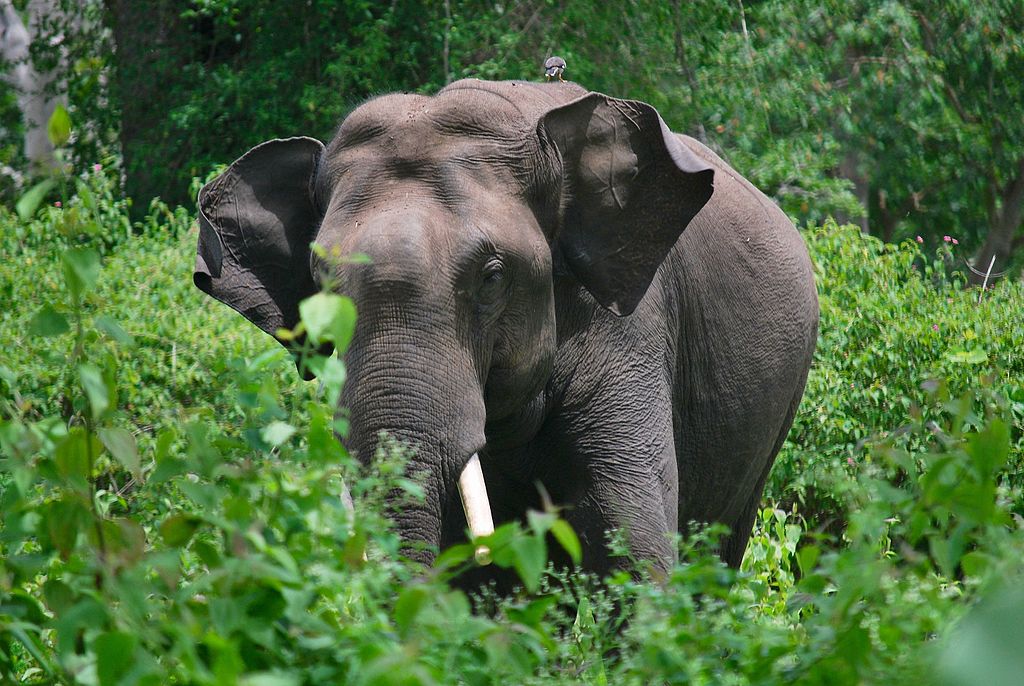
Indian Elephant (Elephas maximus indicus)

Indian Elephant
The Indian elephant, a symbol of wisdom and spirituality, is found in South and Northeast India. It is highly intelligent and social, forming strong family bonds. Due to habitat destruction and poaching, it is Endangered. Project Elephant works to conserve elephant populations by protecting migration corridors and reducing human-elephant conflicts in forested regions.

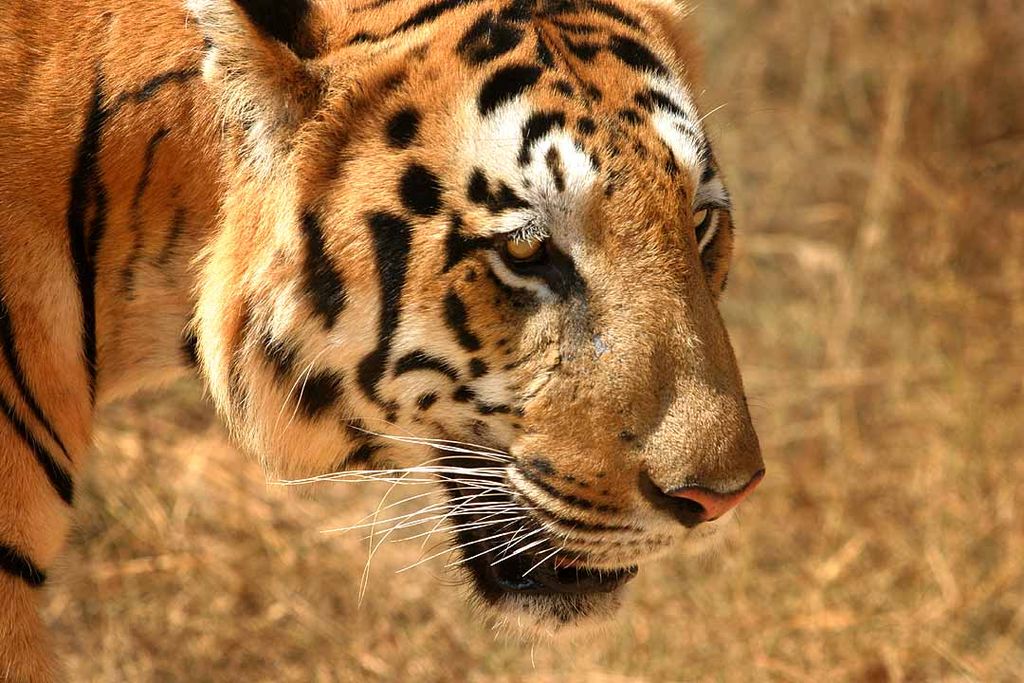
Bengal Tiger (Panthera tigris tigris)

Bengal tiger
The Bengal tiger, India’s national animal, is an apex predator found in forests and mangroves like Sundarbans and Ranthambore. It preys on deer and wild boar, maintaining ecological balance. Threatened by habitat loss and poaching, it is Endangered. Project Tiger has helped increase its numbers, making India home to the largest wild tiger population.

Indian Peacock (Pavo cristatus)

Indian Peacock
The Indian peacock, India’s national bird, is known for its stunning iridescent feathers and courtship dance. It thrives in forests, farmlands, and near villages. Peacocks are omnivorous, feeding on seeds, insects, and reptiles. Unlike other wildlife species, they are Least Concern, benefiting from cultural reverence and legal protection under the Wildlife Protection Act, 1972.

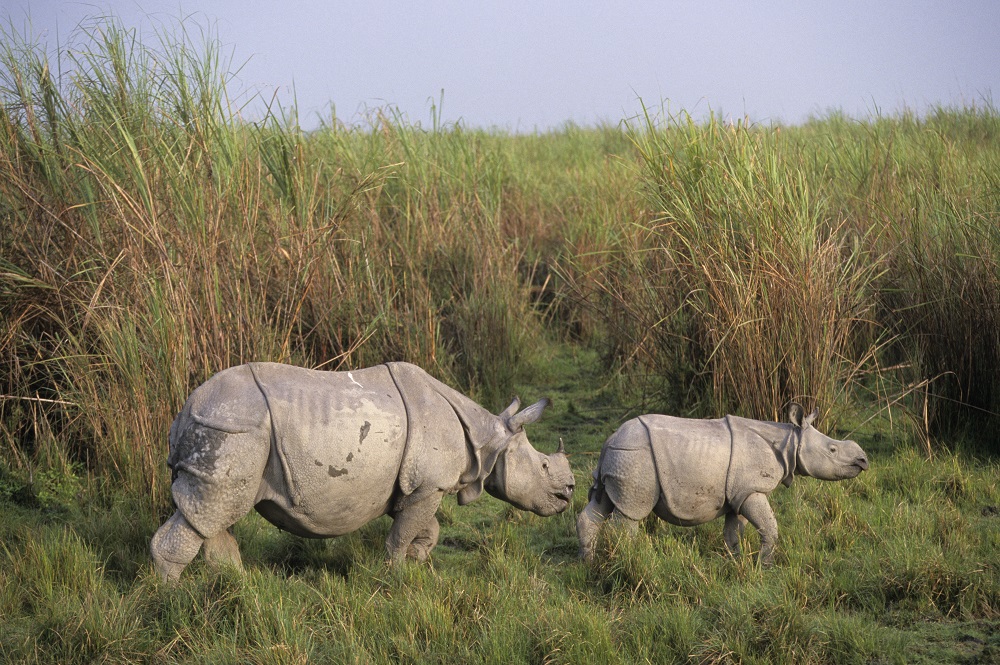
One-Horned Rhinoceros (Rhinoceros unicornis)

One horned Rhinoceros
The one-horned rhinoceros is a conservation success story, with its main population in Kaziranga National Park, Assam. Once hunted for its horn, it is now Vulnerable due to poaching and habitat loss. It thrives in grasslands and wetlands, feeding on grasses and fruits. Strict anti-poaching laws and habitat protection have significantly boosted its population.

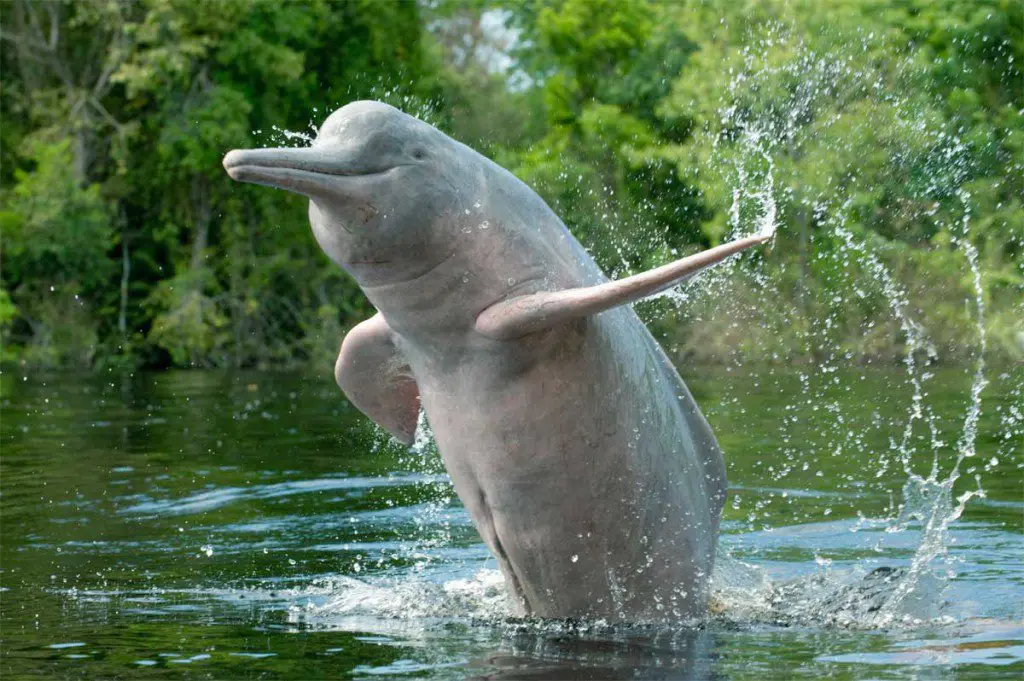
Gangetic River Dolphin (Platanista gangetica)

Gangetic River Dolphin
The Gangetic river dolphin, India’s national aquatic animal, is Endangered due to pollution, dam construction, and fishing nets. Found in the Ganges and Brahmaputra, it is blind and uses echolocation to hunt fish. Conservation efforts like Project Dolphin aim to protect its habitat and prevent further decline in freshwater river ecosystems.
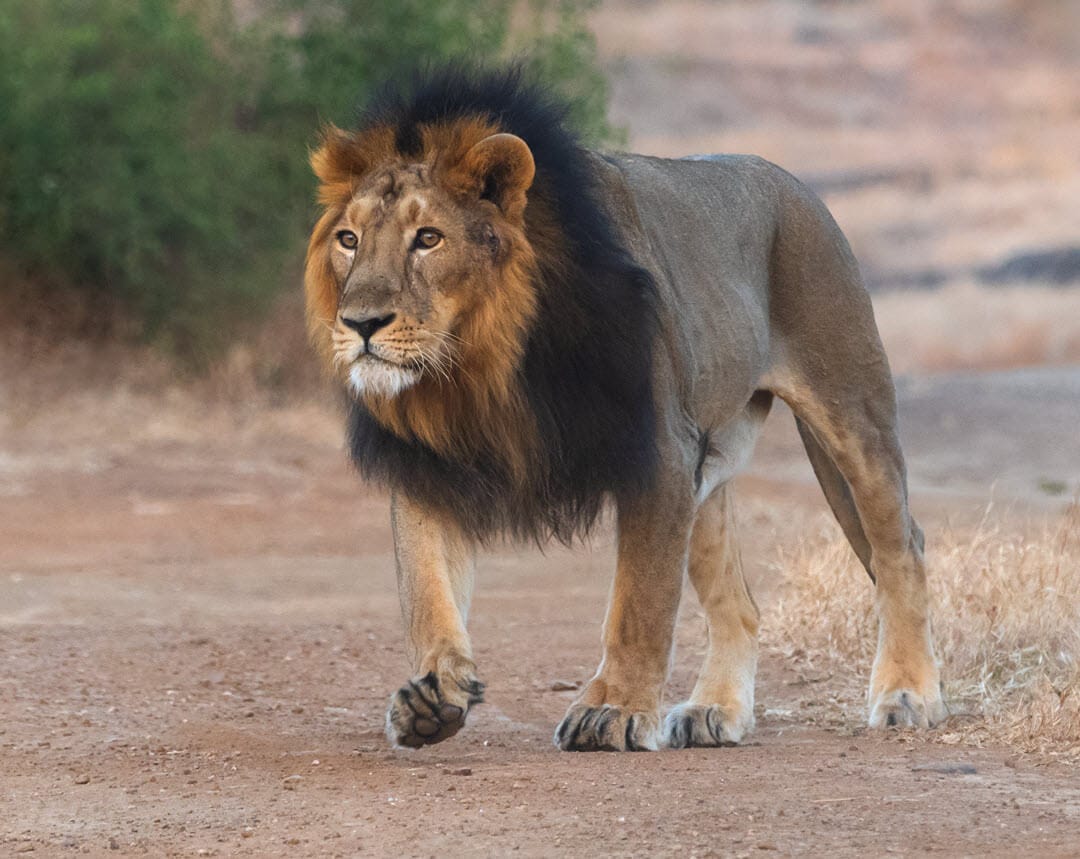
Asiatic Lion (Panthera leo persica)

Asiatic Lion
The Asiatic lion, once widespread, now survives only in Gir Forest, Gujarat. It differs from African lions by having a distinctive belly fold and smaller pride groups. Classified as Endangered, its restricted range makes it vulnerable to diseases and habitat loss. Conservation efforts, including the Gir Lion Project, have helped increase its population to around 700 individuals.